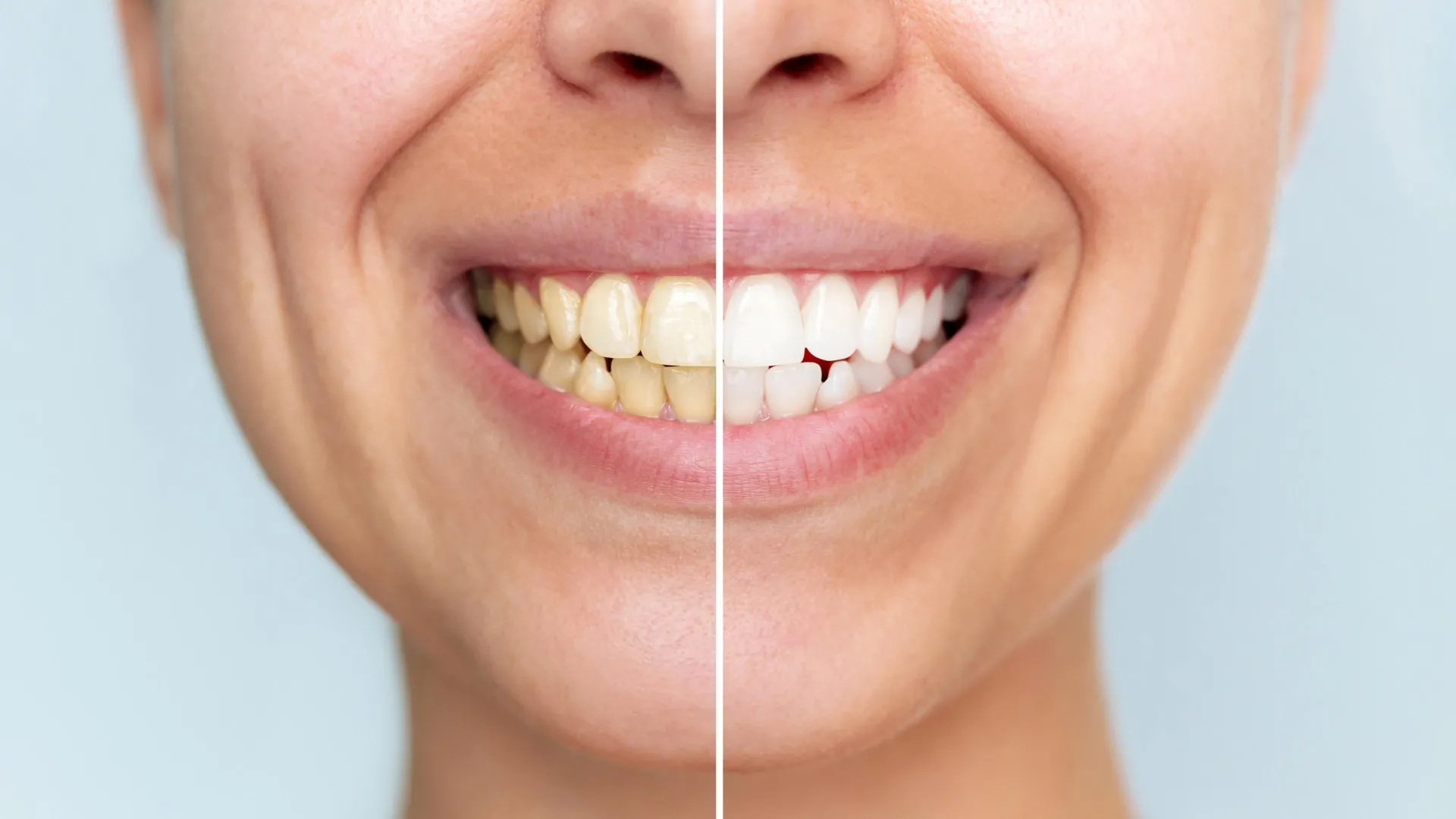
Teeth can lose their brightness over time, even with consistent brushing. Staining can come from genetics or from everyday foods and drinks like coffee and tomatoes. While chemical whitening products are widely used, they can sometimes harm tooth…
Category: 5. Health
-
WHO’s New NPOC TB Test Could Transform Global Diagnosis Efforts
Rapid near-point-of-care molecular tests using tongue swabs can help end TB, enabling diagnosis and treatment to begin within hours on the same day.
Continue Reading
-
To Recruit Staff, Doctor Groups Sweeten Benefits Like Never Before
The American Medical Group Association said a “staggering 87%” of medical groups are looking to enhance staff benefits compared to just 56% two years ago.
Continue Reading
-
New Hope For Spina Bifida
Stem-cell–enhanced in‑utero surgery for spina bifida safely protects the fetal spinal cord and has so far prevented shunt placement.
Continue Reading
-

Why many older adults skip hard candy – how aging can change chewing and swallowing
Last Easter while my children were sorting through their baskets of chocolate eggs and jelly beans, my son looked up from the table and asked a simple question:
“Why don’t Grandma and Grandpa eat candy like we do?”
It was the kind of…
Continue Reading
-
This Serial Entrepreneur Wants The FDA To Approve His AI Doctor
Certuma launched out of stealth with $10 million in funding from 8VC and a grand plan to make AI smart enough — and safe enough — to actually diagnose and prescribe treatments. Now he needs to figure out how to get the FDA on board.
Continue Reading
-

Scientists discover Alzheimer’s hidden “death switch” in the brain
A team led by neurobiologist Prof. Dr. Hilmar Bading at Heidelberg University has identified a key molecular process that drives the progression of Alzheimer’s disease. Working with researchers from Shandong University (China), the scientists…
Continue Reading
-
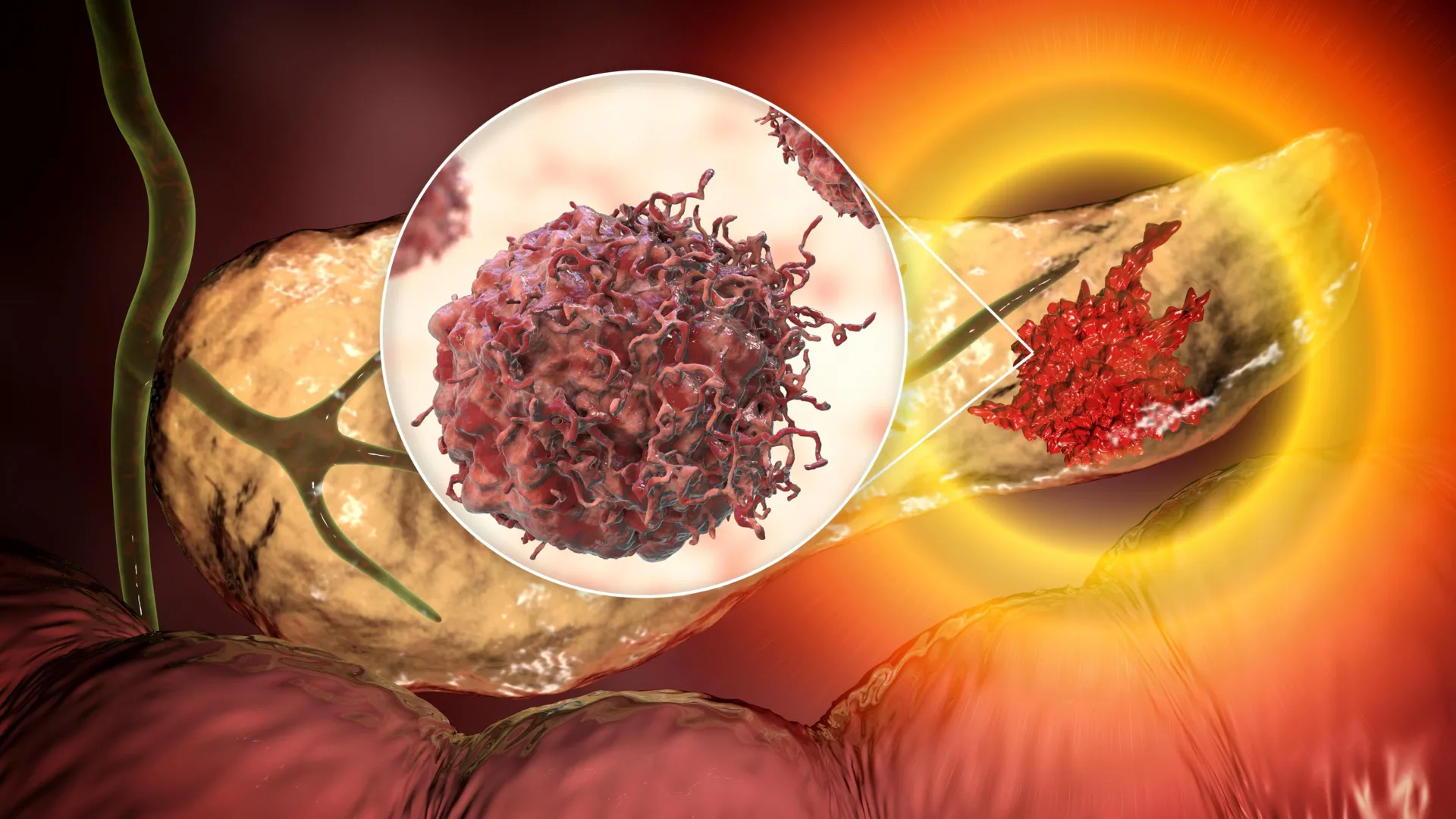
New blood test could catch pancreatic cancer before it’s too late
Researchers supported by the National Institutes of Health (NIH) have created a new blood test designed to identify pancreatic ductal adenocarcinoma, one of the most lethal types of cancer. Because pancreatic cancer is often discovered only after…
Continue Reading
-
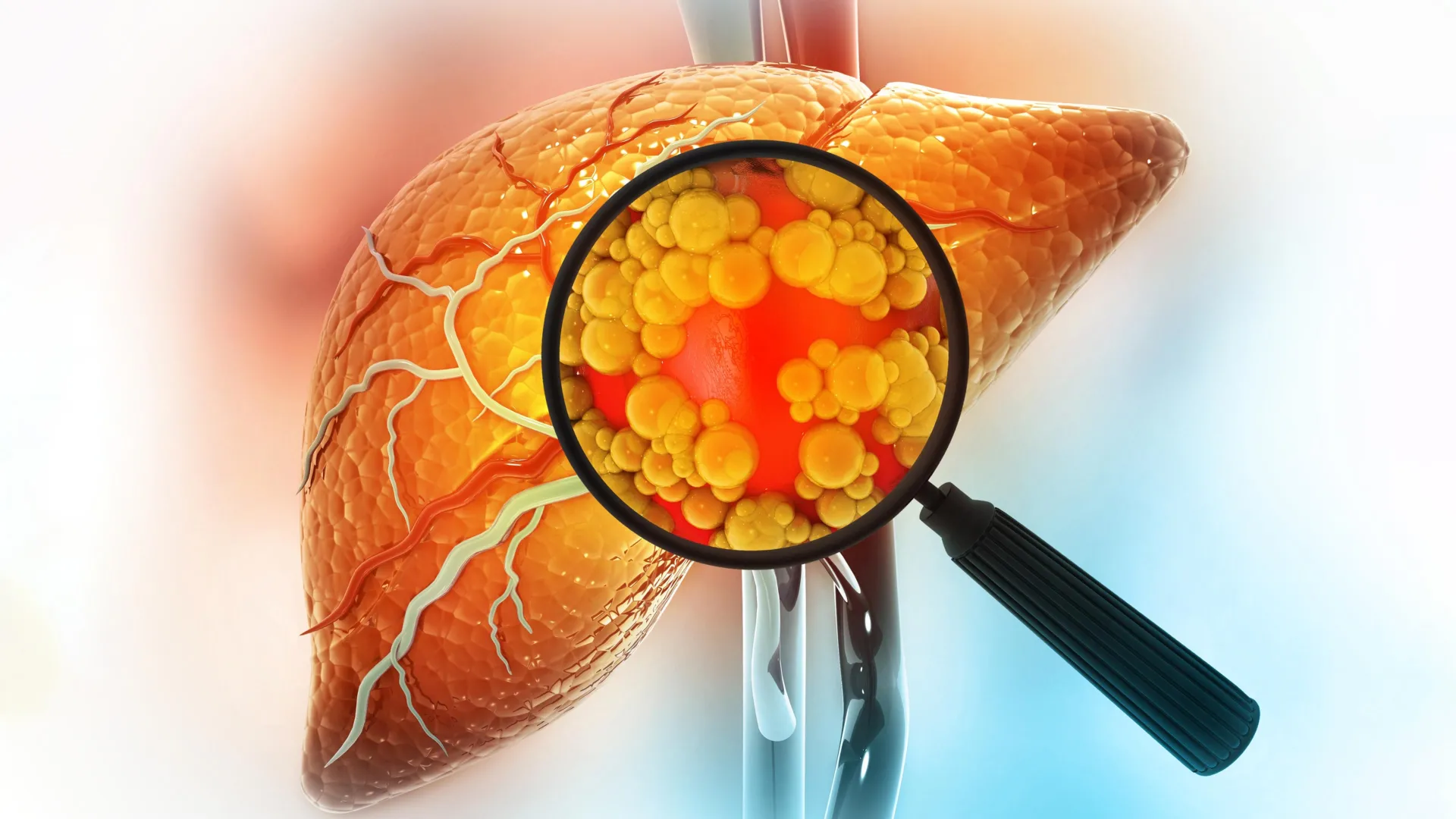
A promising fatty liver treatment may raise cancer risk
Scientists have uncovered a surprising risk linked to blocking a cellular enzyme once believed to protect against fatty liver disease. Instead of helping long term, shutting down this enzyme may raise the chances of chronic liver damage and…
Continue Reading
-
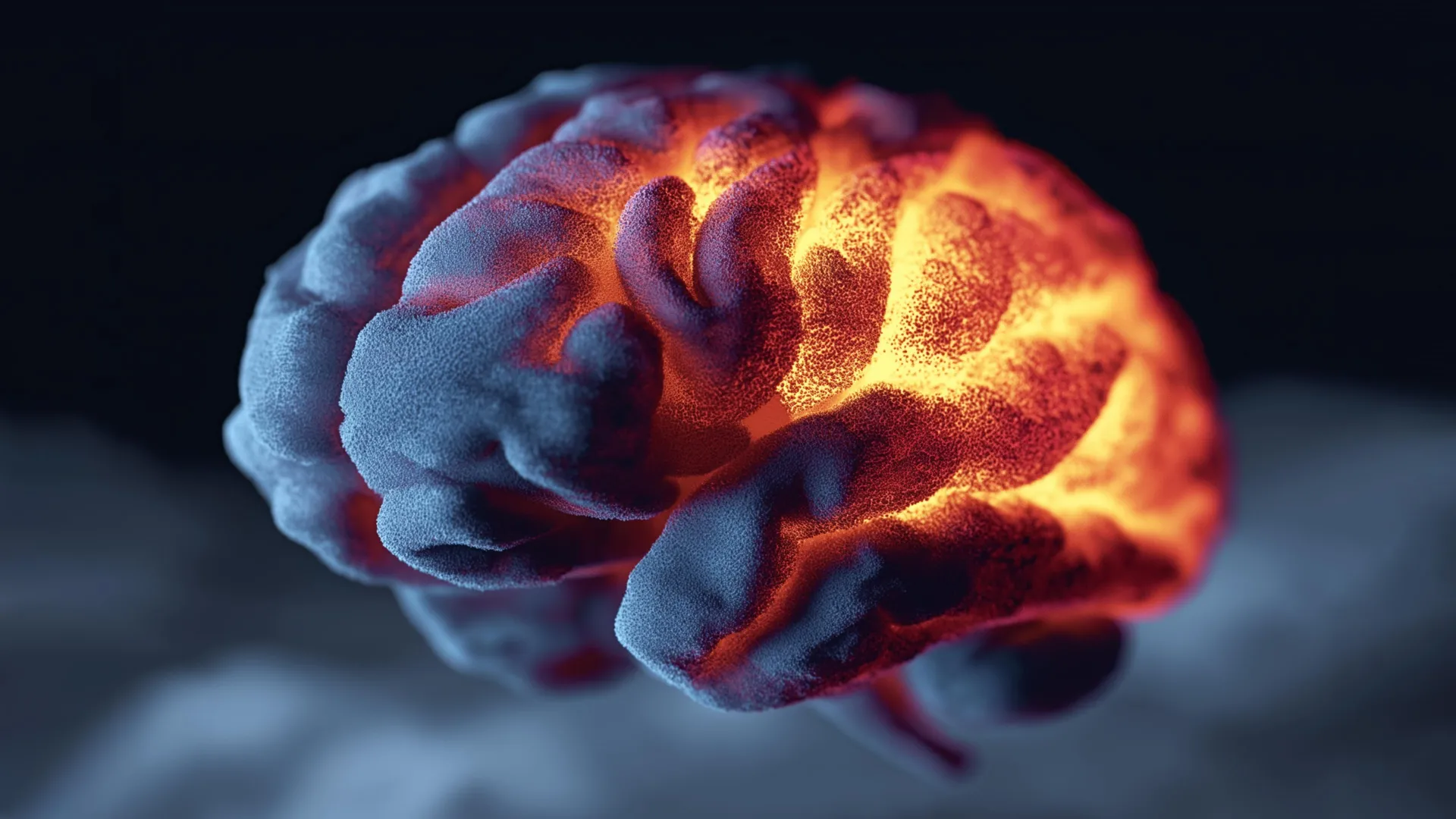
Scientists discover surprising brain trigger behind high blood pressure
Researchers have identified a specific part of the brain that may play a key role in high blood pressure.
This area, called the lateral parafacial region, is located in the brainstem, the oldest part of the brain responsible for automatic…
Continue Reading