
A new study published in Gastroenterology suggests that stress during early life may increase the risk of digestive problems later on. Researchers found that these effects are linked to changes in both the gut and the sympathetic nervous system.
Category: 5. Health
Although Banned, Inclined Infant Sleepers Continue To Cause Fatalities
Inclined infant sleepers continue to result in episodes of SIDS, despite being banned from the U.S. market.
Continue Reading
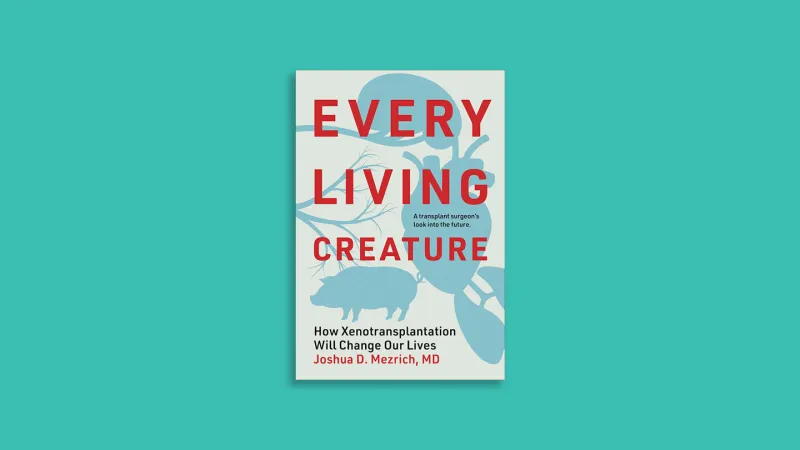
Are pig organs the future of transplantation?
Each year, thousands of people in the U.S. die waiting for donated organs. A new book shares how organs from other species could change that.
Continue Reading

Cancer vaccines could transform treatment and prevention – but misinformation about mRNA vaccines threatens their potential
Scientists are making rapid progress toward a long-awaited goal that could help to reshape cancer care: mRNA cancer vaccines with the potential to significantly boost the immune system’s ability to fight and eliminate tumors.
Since the…
Continue Reading

Magic mushroom-infused products appear in Colorado gas stations – what public health officials want consumers to know
A Denver food and cannabis investigator became suspicious of PolkaDot-branded chocolate bars sitting next to convenience store energy shots and nicotine pouches in January 2026.
Months earlier, California public health officials warned…
Continue Reading

My research on wheelchair basketball challenges one of the biggest assumptions about sex differences in sports
Every March, millions of Americans fill out brackets and tune in to watch the NCAA college basketball tournaments known as March Madness. The men’s and women’s competitions unfold in parallel, each with their own brackets, champions,…
Continue Reading
China’s Control Over US Drug Supply Alarms Lawmakers
America is highly reliant on China for its essential hospital and outpatient medications, especially generic drugs, which account for 90 percent of U.S. prescriptions.
Continue Reading

Scientists finally reveal how this Alzheimer’s drug really works
Lecanemab, marketed as Leqembi, is a monoclonal antibody treatment for Alzheimer’s disease that targets and removes harmful amyloid plaques while slowing cognitive decline. Scientists from VIB and KU Leuven have now uncovered exactly how it…
Continue Reading

ADHD brains show sleep-like activity even while awake
A new study published in JNeurosci explores how brief bursts of sleep like brain activity during wakefulness affect a person’s ability to stay focused. Elaine Pinggal of Monash University and her team investigated whether this type of brain…
Continue Reading

DNA origami vaccines could be the next leap beyond mRNA
The COVID-19 pandemic brought messenger RNA (mRNA) vaccines into the global spotlight. After completing clinical trials, the first COVID-19 mRNA vaccine was given on December 8, 2020. Researchers later estimated through modeling that these…