
Researchers at the University of Maryland have developed Smart Underwear, the first wearable device designed specifically to measure human flatulence. The small sensor tracks hydrogen in flatus, allowing scientists to reexamine long held…
Category: 5. Health
-

Textbooks were wrong: Scientists reveal the surprising way human hair really grows
New research suggests human hair does not grow by being pushed out from the root as long believed. Instead, scientists found that hair is pulled upward by forces created by a hidden network of moving cells within the follicle. The discovery…
Continue Reading
-
Medicare Advantage Plan Exits Impact 1 In 10 Seniors With Drug Coverage
Medicare Advantage insurers leaving certain markets affected more than 1 in 10 Americans enrolled in such plans with prescription drug coverage, a KFF analysis shows.
Continue Reading
-
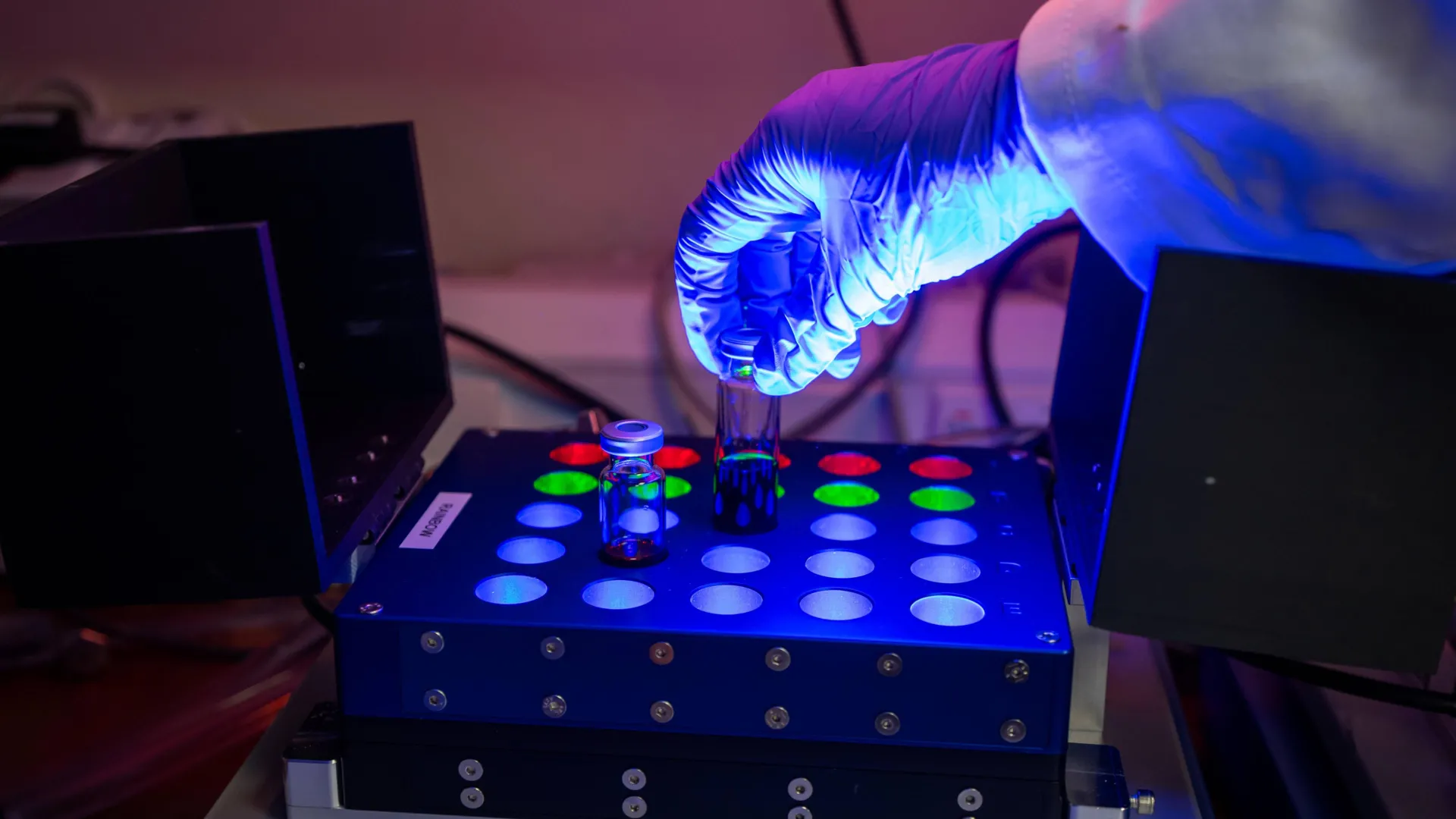
A lab mistake at Cambridge reveals a powerful new way to modify drug molecules
Researchers at the University of Cambridge have created a new technique that uses light instead of toxic chemicals to change complex drug molecules. The discovery could speed up drug development and make the process of designing medicines more…
Continue Reading
-

Gut bacteria that make serotonin may hold the key to IBS
Irritable Bowel Syndrome (IBS) is a widespread digestive condition that affects the gastrointestinal tract. It occurs more frequently in women and commonly causes symptoms such as abdominal pain, constipation, or diarrhea. The exact cause of IBS…
Continue Reading
-

Microplastics may be quietly damaging your brain and fueling Alzheimer’s and Parkinson’s
Tiny fragments of plastic known as microplastics may be contributing to neurodegenerative conditions such as Alzheimer’s and Parkinson’s disease. A new study outlines five biological mechanisms through which these particles may trigger…
Continue Reading
-

Yaks may hint at a way to treat brain diseases like MS
A brain repair kit that helps yaks and other animals naturally cope with low oxygen levels at high altitudes may point to a new way to treat brain diseases such as multiple sclerosis. In mice with brain damage that mimics MS, the…
Continue Reading
-
Can A Single Shot Save Your Heart?
Self‑amplifying RNA boosts a heart‑healing peptide, reducing scarring and improving heart function after a heart attack in animals as a potential add‑on therapy.
Continue Reading
-

A newfound blood biomarker may one day predict longevity
A handful of tiny molecules circulating in the blood may help identify which older adults are most likely to survive the next two years, researchers report February 24 in Aging Cell.
In a study of more than 1,200 people 71 and older,…
Continue Reading
-

Study finds two types of colon polyps can raise bowel cancer risk fivefold
Researchers from Flinders University and Flinders Medical Centre have identified an important connection between two common types of bowel polyps and a greater risk of cancer. Their findings appear in the journal Clinical Gastroenterology and…
Continue Reading