
About one in five adults in the United States will experience major depression at some point in their lives. Many people improve after trying a few treatments, but for as many as one-third of patients, standard antidepressants or psychotherapy do…
Category: 5. Health
-
Finally explained: Why kidney disease is so deadly for the heart
Scientists have uncovered a key reason why more than half of people with chronic kidney disease eventually die from heart-related complications. According to new research, damaged kidneys release a substance into the bloodstream that directly…
Continue Reading
-

Hospital Mergers Gain Momentum As Trump’s ‘Beautiful Bill’ Cuts Loom
A new analysis from Kaufman Hall, a Vizient company, said a total of 46 hospital and health system transactions were announced in 2025, a decrease from 2024, but deals are already picking up in the new year. And merger activity “picked up in Q3…
Continue Reading
-
Scientists identify hidden protein interaction driving Parkinson’s disease
About 1 million people in the United States are living with Parkinson’s disease, and nearly 90,000 new cases are diagnosed each year, according to the Parkinson’s Foundation. The condition is a long-term, progressive brain disorder that gradually…
Continue Reading
-
No Gene Acts Alone
Genes and their variants interact in complex ways, so even “harmful” mutations can sometimes cancel each other out, reshaping how disease risk and penetrance are understood.
Image by freepik
Genetic variants can act together, inhibit one…
Continue Reading
-

What air pollution does to the human body
I grew up in rural Colorado, deep in the mountains, and I can still remember the first time I visited Denver in the early 2000s. The city sits on the plain, skyscrapers rising and buildings extending far into the distance. Except, as we…
Continue Reading
-

A common painkiller may be quietly changing cancer risk
Ibuprofen is one of the most widely used pain relievers in the United States, commonly taken for headaches, muscle aches, and menstrual pain. New research suggests this familiar medication may have effects that go beyond pain relief. Scientists…
Continue Reading
-
Scientists solve a major roadblock holding back cancer cell therapy
For the first time, researchers at the University of British Columbia have shown how to consistently produce a crucial type of human immune cell, known as helper T cells, from stem cells in a controlled lab setting.
The research, published on…
Continue Reading
-
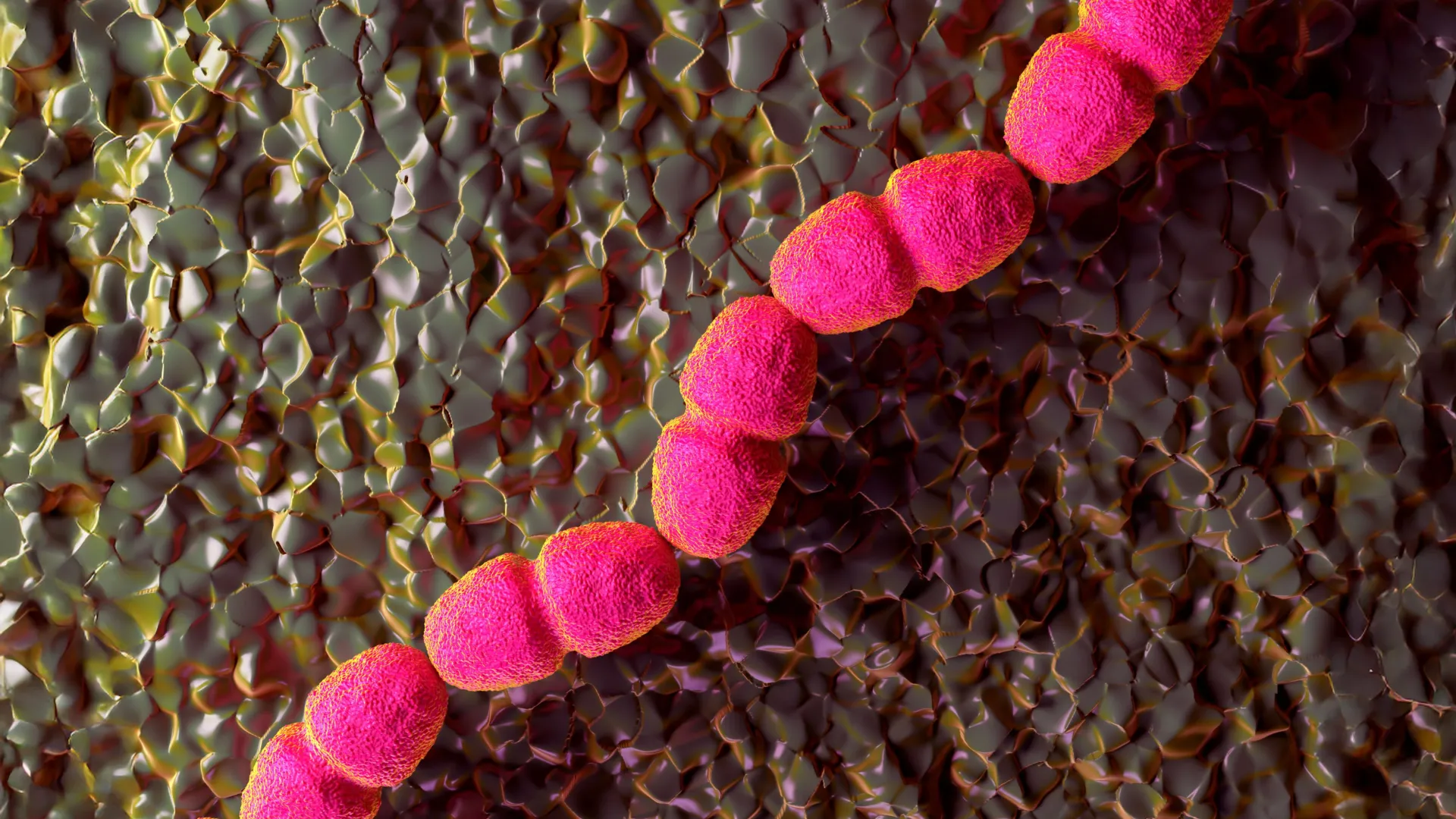
Scientists discover why some wounds refuse to heal
An international research team led by Nanyang Technological University, Singapore (NTU Singapore), has identified a promising way to help chronic wounds heal faster, including wounds infected with antibiotic resistant bacteria.
Chronic wounds are…
Continue Reading
-

A global DNA study reveals a hidden threat in diabetic foot infections
A new study led by King’s College London, in partnership with the University of Westminster, has revealed important details about the E. coli bacteria linked to diabetic foot infections. The research focuses on how varied these bacterial strains…
Continue Reading