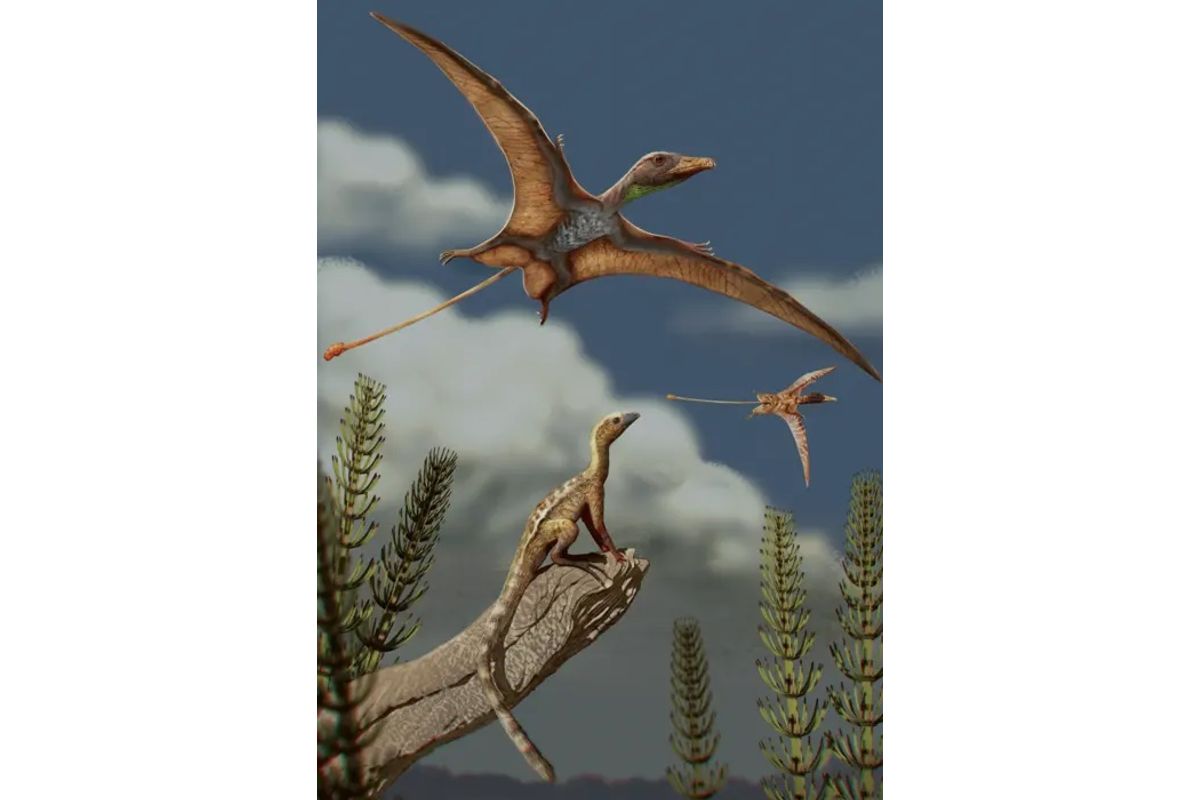
Pterosaurs entered the air deep in the Triassic, more than 220 million years ago. Birds followed much later, with early forms such as Archaeopteryx appearing roughly 150 million years ago. Although both groups mastered flight, how their brains…
Category: 9. Sci/Tech
-

Why Your Brain Forgets Some Moments but Holds Onto Others
Our memories don’t all carry the same weight. Some moments settle into place without effort, while others slip away almost immediately, leaving only the faintest trace behind. But what pushes one experience toward long-term storage while…
Continue Reading
-
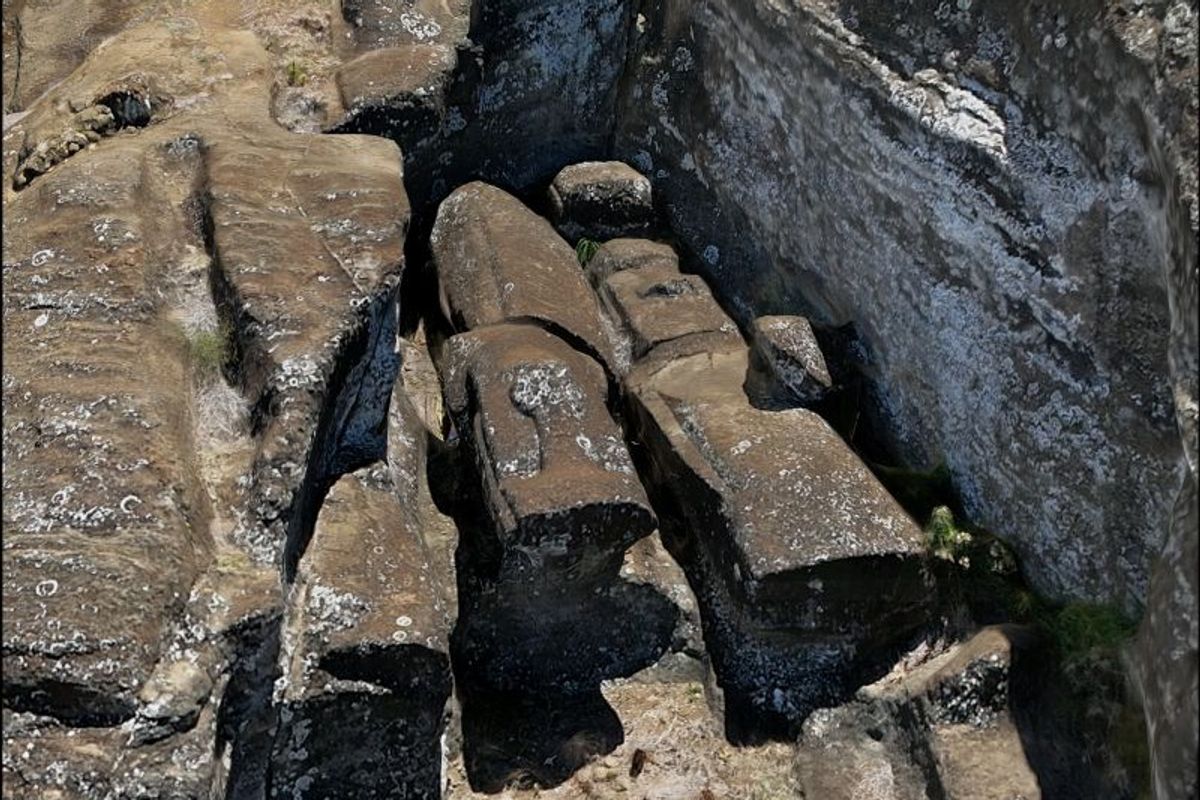
Separate Families Carved the 1,000 Easter Island Moai Statues — Some in Friendly Competition
On the island of Rapa Nui, more commonly known as Easter Island, more than 1,000 moai statues stand tall. These stone-faced humanoid figures may all look virtually the same from a distance, but look closely, and you’ll start to notice the…
Continue Reading
-
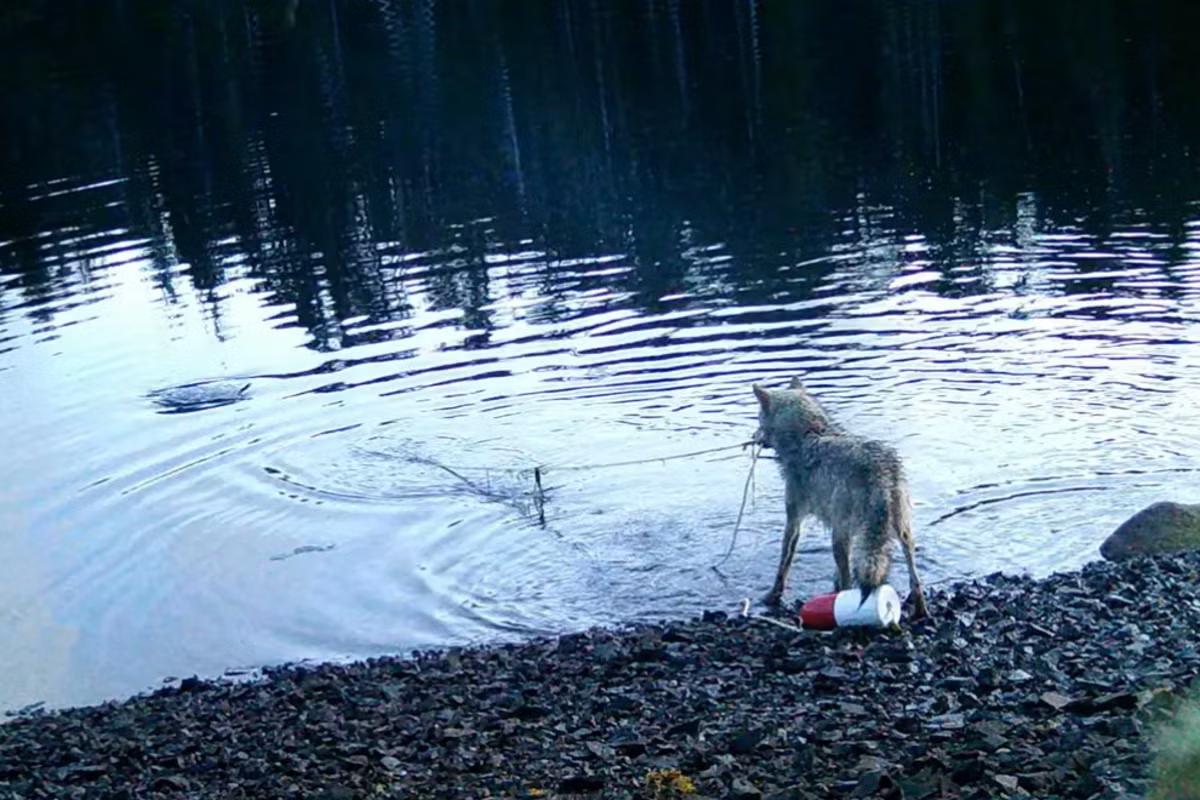
Wolf displays never-before-seen behavior as it ‘uses tools’ | News
A wolf was caught on camera displaying behavior never seen before in wild canids, members of the dog family, as it appeared to use tools to gather food.
The animal was observed in the Indigenous Haíɫzaqv Nation Territory on the central coast of
Continue Reading
-
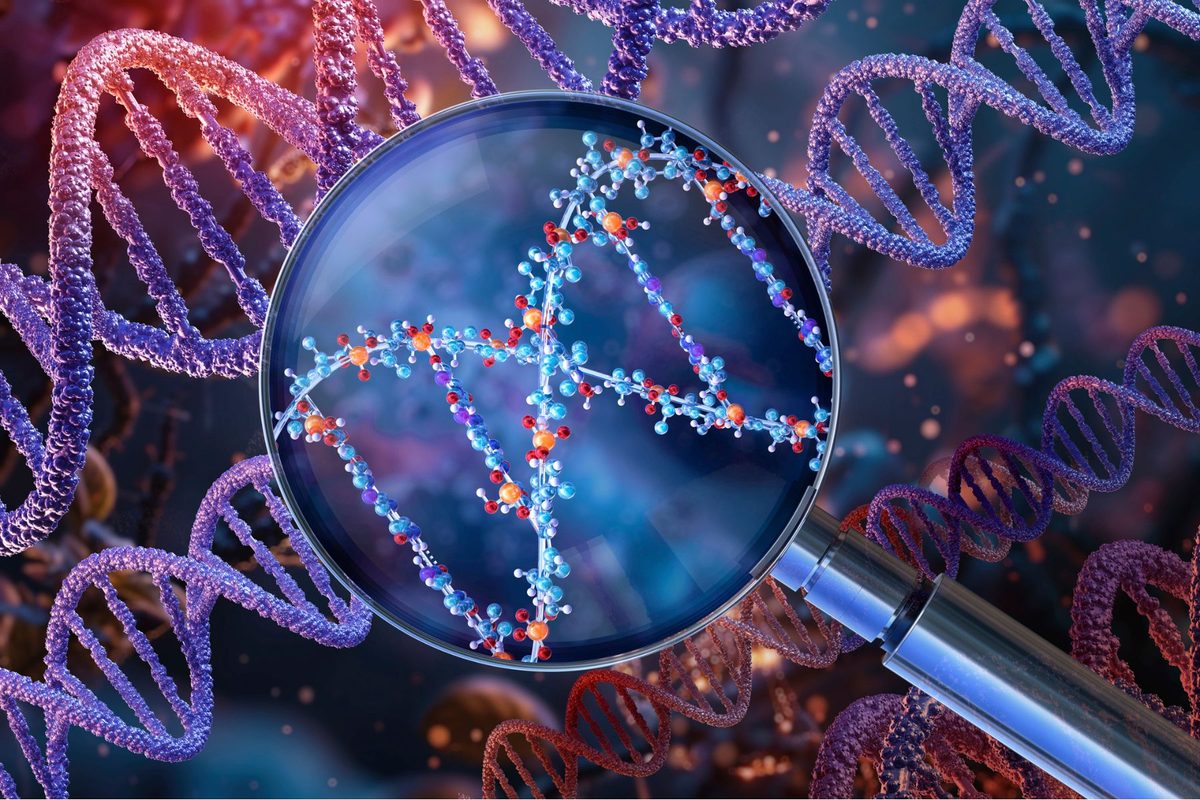
How every one of your cells is packed with ancient viruses
Our personal genomes (the genetic information of an organism) are littered with the remnants of viruses that infected our ancestors.
But fear not. These viruses aren’t infectious, like the ones that cause COVID-19 or the common cold, but rather…
Continue Reading
-

Discovery of ancient statues in Turkey rewrites prehistoric human history
A significant collection of new archaeological discoveries has been unveiled in southeast
Continue Reading
-
The Vampire Squid Genome Has Helped Explain the Early Evolution of the Cephalopods — Here’s How
According to a new study in iScience, researchers have now sequenced the largest cephalopod genome in history. Generating the genome of the vampire squid (Vampyroteuthis sp.) and comparing it to the genomes of other cephalopods, the team revealed…
Continue Reading
-
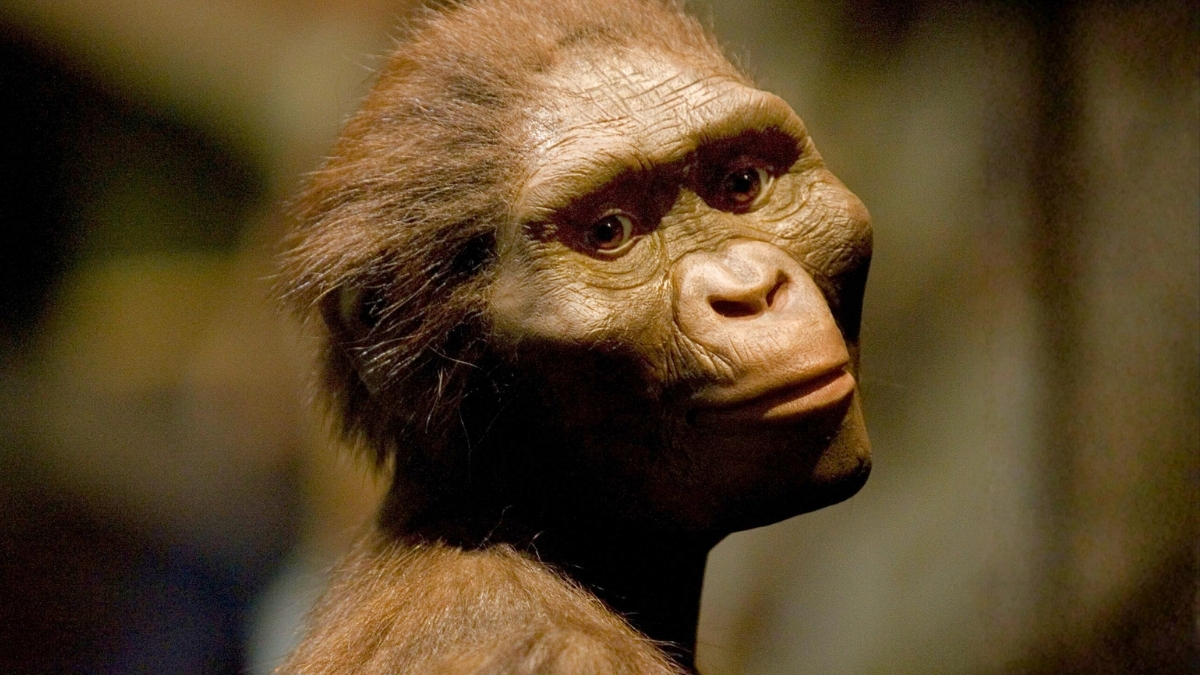
‘Lucy’ Was Neighbors With an Even Older Human Ancestor, Fossils Reveal : ScienceAlert
A jumble of bones and teeth confirms two species of human ancestor lived side by side over 3.3 million years ago in Ethiopia’s Afar Rift.
This is the first clear evidence that these ancient relatives may have overlapped not just in time but…
Continue Reading
-
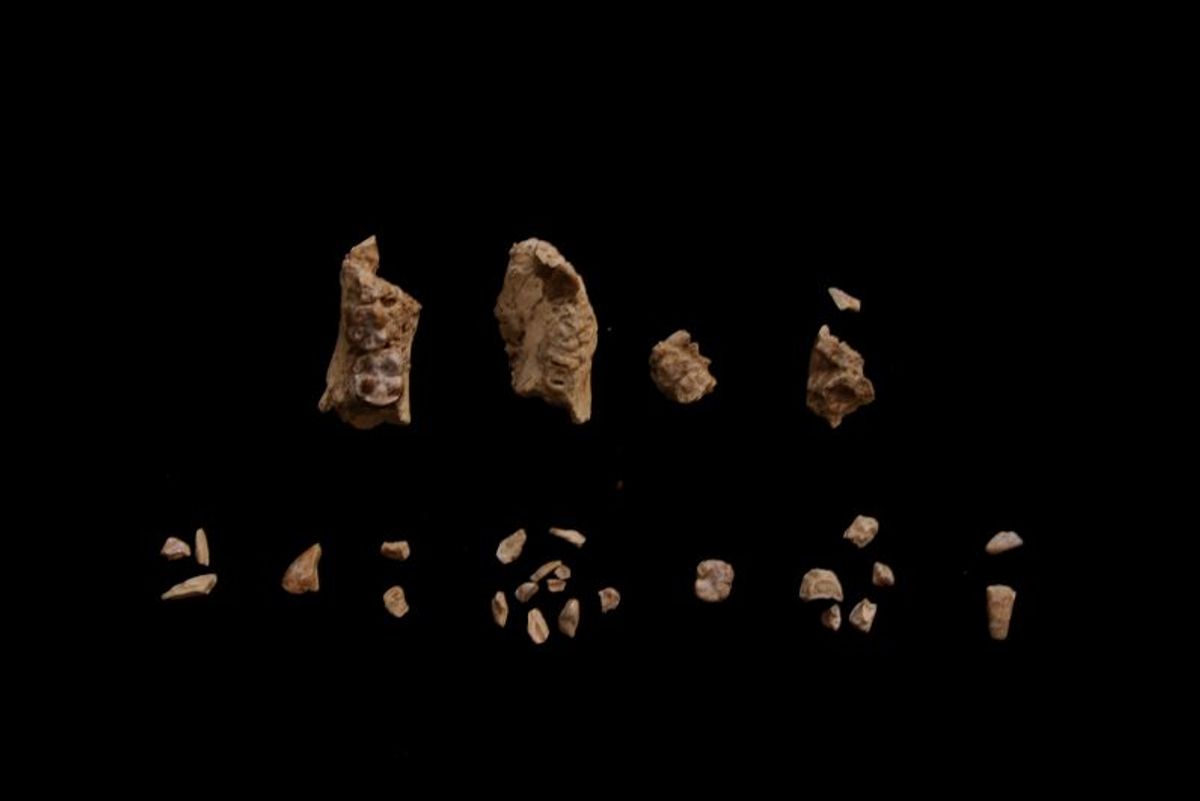
The Burtele Foot and Other Fossils Reveal How Two Hominin Species Thrived Side by Side
Understanding the evolution of our ancestral hominins and their place in the family tree drives paleoanthropologists. By analyzing fossilized remains, scientists can reconstruct life millions of years ago and explore what environmental pressures…
Continue Reading
-

Without whale pee, the world’s oceans would probably fall apart. Here’s why
How much of the ocean is just whale pee? It’s not true that the seas are salty because of whale pee, although a single fin whale can produce as much as 250 gallons of urine a day.
Admittedly, no one’s worked out the exact volume urinating…
Continue Reading
