Learn how ancient DNA uncovered Ice Age forests on sunken Doggerland and revealed a landscape that once linked Britain to mainland Europe.
Category: 9. Sci/Tech
-
Ancient DNA Reveals Ice Age Forests Grew on the Lost Doggerland 16,000 Years Ago, Before It Was Swallowed by the North Sea
-

Intense Space Weather Forces NASA’s Van Allen Probe Back to Earth Nearly a Decade Early
Learn more about the Van Allen Probe A, a NASA spacecraft that returned to Earth this week after spending years in one of space’s harshest environments.
Continue Reading
-

Wolf Reintroduction to Yellowstone National Park Helped Restore Aspen Trees — but There Is Still Much to Learn
Learn more about why the story of how wolves saved Yellowstone National Park’s aspens is more complicated — and more instructional — than it appears.
Continue Reading
-
A 3D-Printed Rattlesnake Reveals How the Rattle Stirs Fear, Even in Animals Unfamiliar with the Sound
Learn more about the ways animals can react to rattlesnake rattles, even if they don't typically interact with them in the wild.
Continue Reading
-

Ravens Fly Up to 6 Hours Nonstop, Using Memory — Not Tracking — to Find Wolf Kills in Yellowstone National Park
Learn how ravens in Yellowstone National Park use spatial memory and navigation to locate wolf kills across the landscape without following wolves.
Continue Reading
-
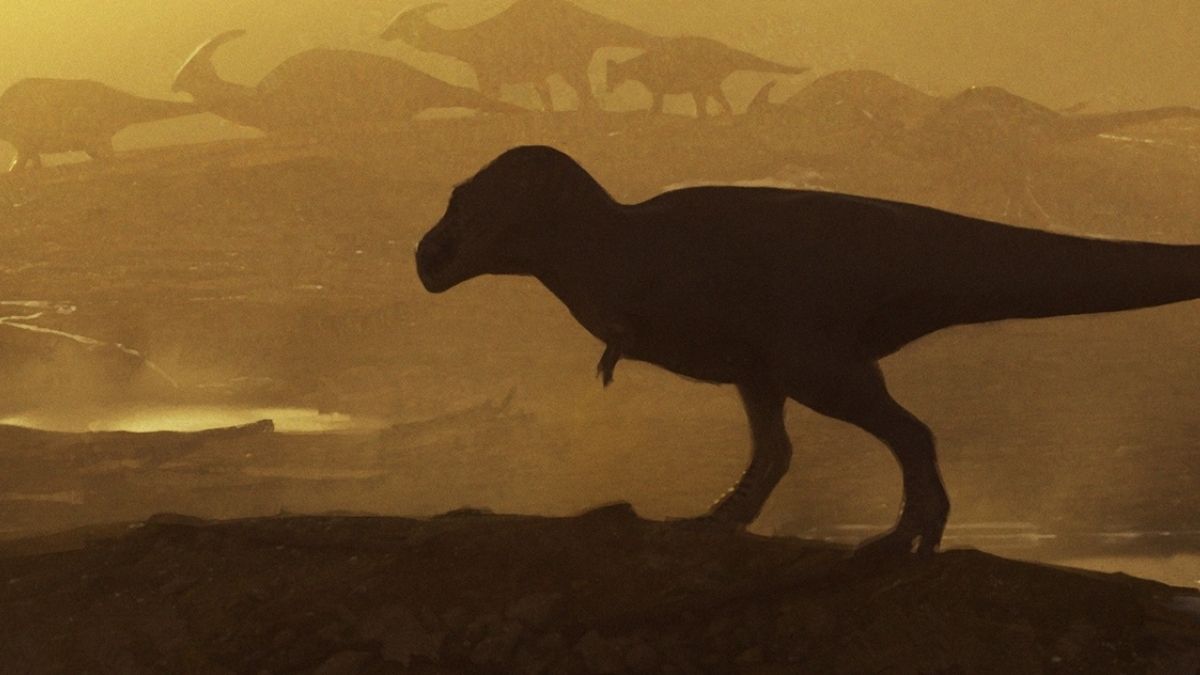
Giant Tyrannosaur Discovered in North America Is The Largest of Its Era : ScienceAlert
A new analysis of a shinbone from the oldest known giant tyrannosaur in North America suggests that the ‘king of dinosaurs,’ Tyrannosaurus rex, may have had an unusually large ancestor.
The fossil, found at the Kirtland Foundation in New…
Continue Reading
-
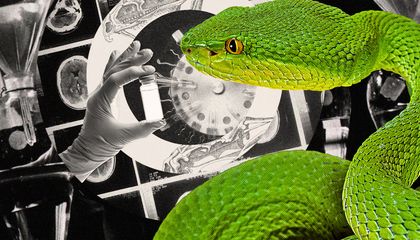
Venomous Snakes Represent a Serious Public Health Problem. Scientists Are Biting Back With a Groundbreaking Antidote
Researchers around the world are attempting to create a safer and more effective treatment in hopes of saving hundreds of thousands of lives
Continue Reading
-
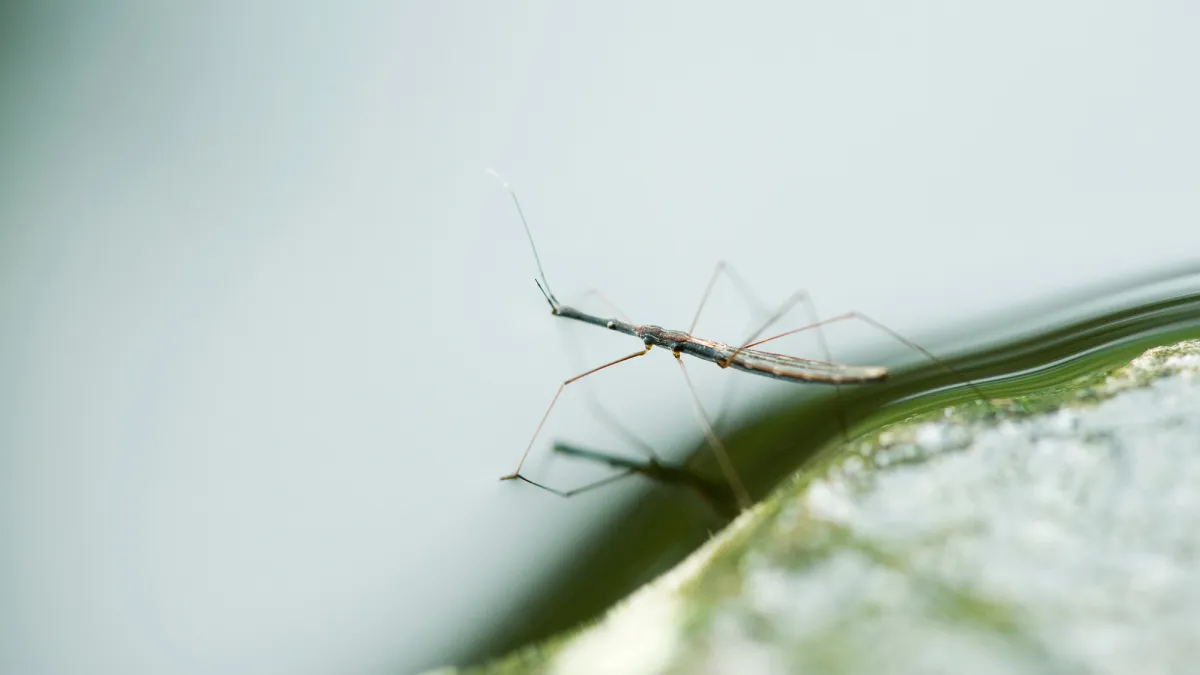
Do any bugs live in the ocean? Short answer: Not really.
By some estimates, insects make up 80 percent of named animal species. They’re…
Continue Reading
-

Bees can breathe underwater for a week, scientists discover
Bumblebee queens can breathe underwater for up to a week, new research has found.
The
Continue Reading
-
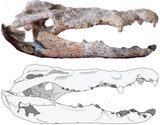
A Massive Pliocene Crocodile May Have Hunted Lucy and Other Early Hominins, 3 Million Years Ago
Learn how the newly identified crocodile Crocodylus lucivenator lived alongside Lucy’s species in ancient Ethiopia — and why researchers say it may have been the region’s most dangerous predator.
Continue Reading
